
Why You Need ISO-Certified Solar Eclipse Glasses
Watching a solar eclipse is a breathtaking experience, but protecting your eyes is paramount. Without proper protection, the sun’s intense rays can cause permanent retinal damage. That’s where high-quality, ISO-certified solar eclipse glasses come in. For more information on safe viewing practices, you can visit the American Astronomical Society (AAS) eye safety guide.
The Importance of ISO 12312-2 Compliance
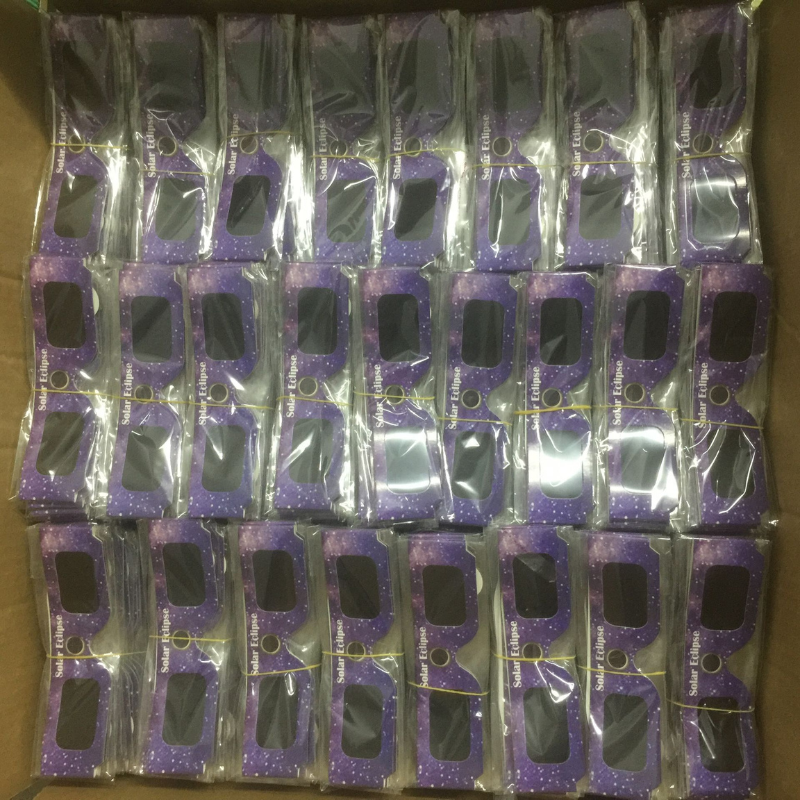
Not all tinted glasses are safe for direct sun observation. To ensure total safety, your glasses must meet the ISO 12312-2 international standard. These lenses are specifically designed to filter out 100% of harmful ultra-violet, 100% of harmful infrared, and 99.999% of intense visible light. You can browse our ISO-certified product range to find the right protection for your needs.
Key Features of Quality Eclipse Glasses
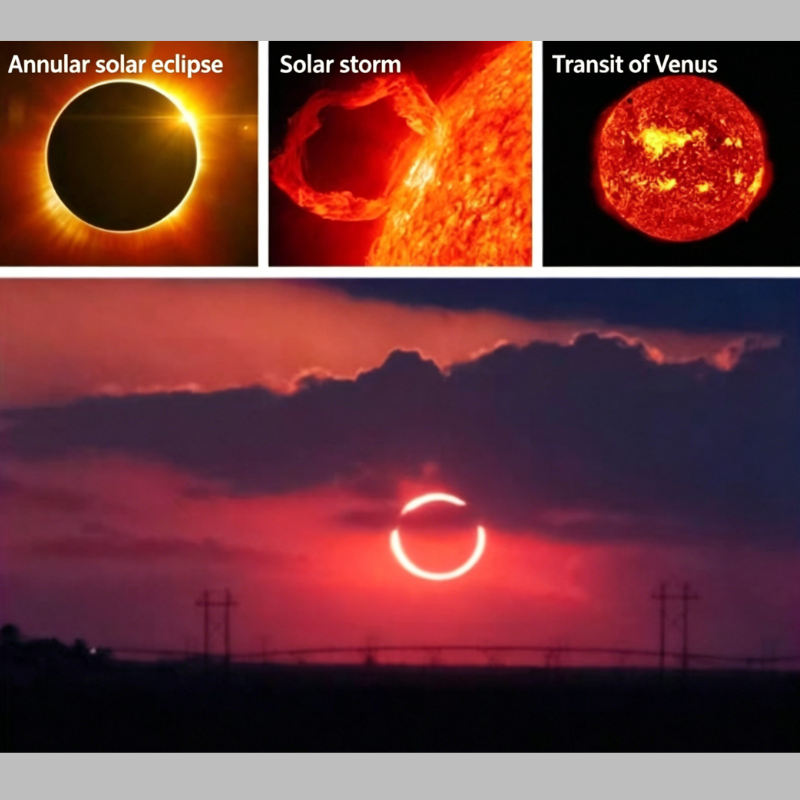
- Scratch-Resistant Lenses: Ensures a clear and safe view of the solar corona.
- Comfortable Fit: Lightweight designs, often using eco-friendly paper frames for easy disposal or storage.
- Orange Tint: High-quality filters often produce a natural orange image of the sun.
How to Verify Your Safety Gear
Before the big event, always inspect your glasses. Look for the ISO 12312-2 label printed on the frame. If the lenses are scratched, punctured, or torn, do not use them. Safe solar filters are thousands of times darker than regular sunglasses. If you can see normal indoor light through them, they are not safe for eclipse viewing. For those planning large events, our 50-pack bulk solar glasses are an ideal solution for schools and groups.
In addition to eye safety, consider the environment. Using eco-friendly materials helps reduce waste during these massive global events. Our paper frames are designed to be both sturdy for the event and easily recyclable afterward, aligning safety with sustainability.

Prepare for the next celestial event by securing your safety gear today. Remember, your vision is priceless—never compromise on protection. Stay tuned to our blog for more tips on photography and viewing locations for the upcoming eclipse season.